

















又中又英——To"take to the airwaves"
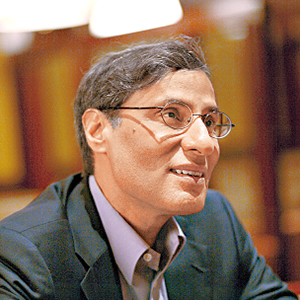
Michael Chugani 褚简宁
2021-03-02 04:17 HKT


字体大小
The morning after last Wednesday's budget, Financial Secretary Paul Chan Mo-po took to the airwaves to answer questions from radio listeners. Many were livid (angry) with his plan to give every Hong Kong adult $5,000 in digital spending vouchers instead of cash to help them and businesses during the pandemic. Radio listeners told him his plan was full of holes. They said they preferred cash like last year when everyone aged 18 and above received $10,000. The word "airwaves" means the frequencies used for broadcasting radio and television programmes. To "take to the airwaves" means to be on radio or television. The expression "take to" can be used in many ways.
Many Hong Kong people took to the streets in 2019 to oppose the extradition bill. Used this way, it means to go to the streets to protest. Many people have taken to wearing facemasks. Used this way it means to begin doing something as a regular thing. If something is "full of holes" it means it is flawed or has many problems. The financial secretary plans to give people $1,000 in digital spending vouchers every month for five months. People must use up the $1,000 during the month it is received or lose whatever is left. The digital vouchers can only be used to buy things from local businesses.
Critics, including legislators, said this plan is full of holes. Many older people do not have smart phones or do not know how to use smart phones for vouchers. Chan Mo-po wants people to use the vouchers to help Hong Kong's businesses. Many small shops and wet markets, which need help, do not have the equipment to handle digital payments. This means only big businesses, such as supermarkets, will benefit because the vouchers cannot be used to pay rent or utilities such as electricity bills. It will be almost impossible for Hong Kong people living on the mainland or overseas to use the vouchers for local businesses only. Chan Mo-po should re-think his plan.
*****
上星期三发表《财政预算案》的翌日早上,财政司司长陈茂波上了大气电波(took to the airwaves)回答电台听众的问题。许多人对他的政策勃然大怒(livid),因他只给每名香港成年人五千元的电子消费券而非现金,用以支援疫情下的香港人和商户。电台听众告诉他,其计划千疮百孔(full of holes);他们说他们情愿像上年一样收取现金,人人年满十八岁就收到一万元。Airwaves即是用作电台和电视节目广播的无线电频谱;to“take to the airwaves”即上电台或电视。习语“take to”还可以有许多用法。
许多香港人在二○一九年took to the streets去反对《逃犯条例》——在这里,此习语的意思是上街抗议。许多人亦已taken to戴口罩——这里它的意思是开始养成日常的习惯。若某事是“full of holes”,意即它有许多漏洞、千疮百孔。财政司司长计划每月给每人一千元电子消费券,共发放五个月。人们必须在收到消费券的该月份内花光那一千元,否则余额将会清零。这些电子消费券只能用来光顾本地的商户。
包括立法会议员在内的批评者都说,这个计划千疮百孔(full of holes)。许多年长的市民并没有智能电话,又或不知道如何用智能电话使用消费券。陈茂波希望市民会用消费券去帮助香港的商户,但许多需要帮助的小店和街市,并没有相关的设备去处理电子支付。这意味着,只有大商家如超市可从中得益,因为这些消费券并不能用来交租或支付公共事业的帐单如电费。对于住在内地又或海外的香港人,也几乎不可能使用这些只能用于本港商户的消费券。陈茂波应该重新思考他的计划。
中译:七刻
Michael Chugani 褚简宁
Many Hong Kong people took to the streets in 2019 to oppose the extradition bill. Used this way, it means to go to the streets to protest. Many people have taken to wearing facemasks. Used this way it means to begin doing something as a regular thing. If something is "full of holes" it means it is flawed or has many problems. The financial secretary plans to give people $1,000 in digital spending vouchers every month for five months. People must use up the $1,000 during the month it is received or lose whatever is left. The digital vouchers can only be used to buy things from local businesses.
Critics, including legislators, said this plan is full of holes. Many older people do not have smart phones or do not know how to use smart phones for vouchers. Chan Mo-po wants people to use the vouchers to help Hong Kong's businesses. Many small shops and wet markets, which need help, do not have the equipment to handle digital payments. This means only big businesses, such as supermarkets, will benefit because the vouchers cannot be used to pay rent or utilities such as electricity bills. It will be almost impossible for Hong Kong people living on the mainland or overseas to use the vouchers for local businesses only. Chan Mo-po should re-think his plan.
*****
上星期三发表《财政预算案》的翌日早上,财政司司长陈茂波上了大气电波(took to the airwaves)回答电台听众的问题。许多人对他的政策勃然大怒(livid),因他只给每名香港成年人五千元的电子消费券而非现金,用以支援疫情下的香港人和商户。电台听众告诉他,其计划千疮百孔(full of holes);他们说他们情愿像上年一样收取现金,人人年满十八岁就收到一万元。Airwaves即是用作电台和电视节目广播的无线电频谱;to“take to the airwaves”即上电台或电视。习语“take to”还可以有许多用法。
许多香港人在二○一九年took to the streets去反对《逃犯条例》——在这里,此习语的意思是上街抗议。许多人亦已taken to戴口罩——这里它的意思是开始养成日常的习惯。若某事是“full of holes”,意即它有许多漏洞、千疮百孔。财政司司长计划每月给每人一千元电子消费券,共发放五个月。人们必须在收到消费券的该月份内花光那一千元,否则余额将会清零。这些电子消费券只能用来光顾本地的商户。
包括立法会议员在内的批评者都说,这个计划千疮百孔(full of holes)。许多年长的市民并没有智能电话,又或不知道如何用智能电话使用消费券。陈茂波希望市民会用消费券去帮助香港的商户,但许多需要帮助的小店和街市,并没有相关的设备去处理电子支付。这意味着,只有大商家如超市可从中得益,因为这些消费券并不能用来交租或支付公共事业的帐单如电费。对于住在内地又或海外的香港人,也几乎不可能使用这些只能用于本港商户的消费券。陈茂波应该重新思考他的计划。
中译:七刻
Michael Chugani 褚简宁


最Hit




政府资助长者做白内障手术!医管局「耀眼行动」津贴$8000 3类人有份 附申请资格/方法
2026-05-24 09:30 HKT


迪卡侬新出$249防水鞋爆红!港人大雨实测列3优点「近排最满意产品」 网民:夏天要有!
2026-05-24 11:00 HKT

更多文章